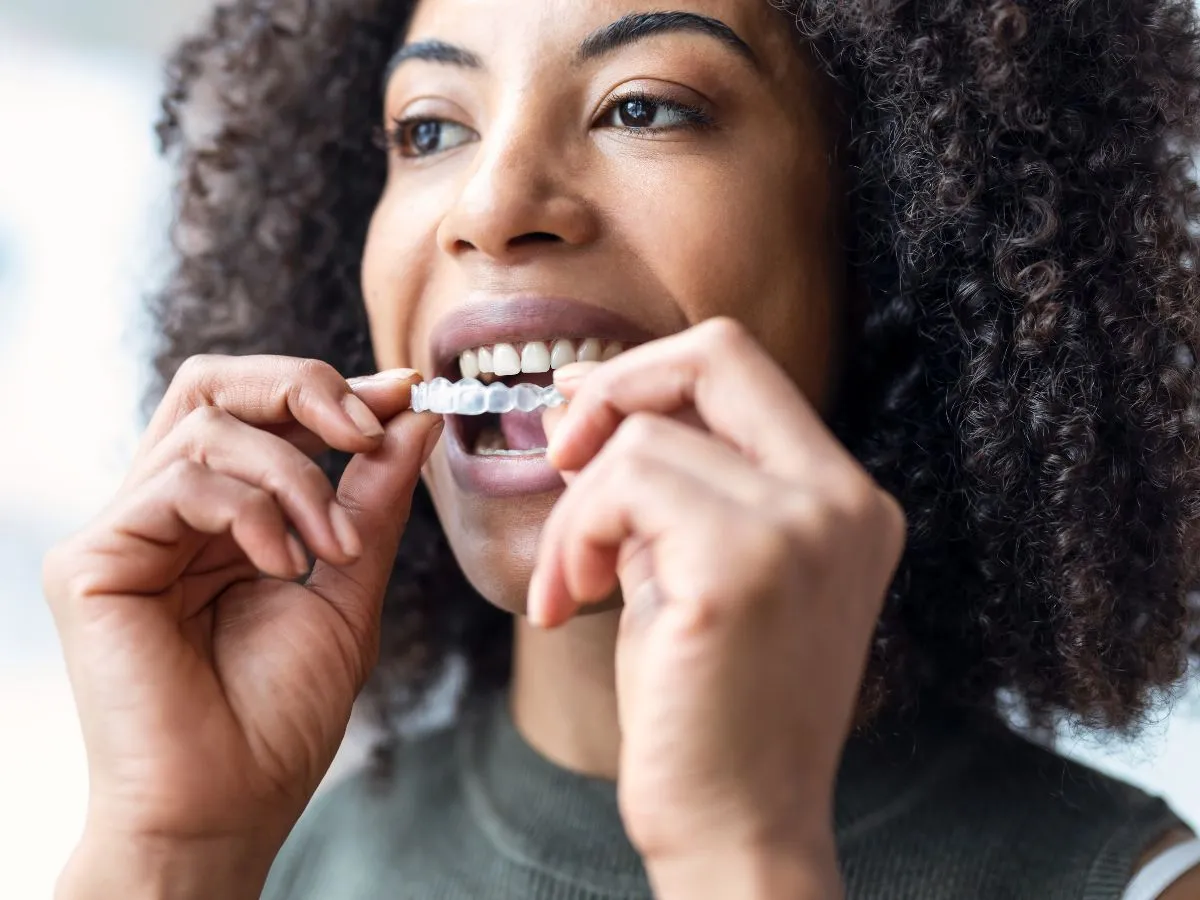
Orthodontic relapse is more common than many people expect. Teeth can shift years after braces or aligners, even when treatment once felt complete. Changes often occur gradually, making them easy to miss until alignment feels noticeably different. Knowing whether Invisalign® in Clinton can still help after relapse starts with understanding what caused the movement in the first place.
At Clinton Dental Group, we often speak with patients who assume relapse means starting over completely. In many cases, that is not true. Invisalign can be an effective option when treatment is planned around the current position of the teeth rather than past orthodontic history.
What Orthodontic Relapse Really Means
Orthodontic relapse occurs when teeth slowly move back toward their original positions after treatment ends. This movement can begin months or even years later, especially if retention habits change over time.
Relapse does not always mean teeth return fully to where they started. Invisalign in Clinton, MD, can often correct partial shifting by focusing on the specific teeth that have moved rather than redoing full orthodontic treatment.
Why Teeth Shift Even Years After Braces
Teeth are supported by living bone and tissue, which continue to adapt throughout life. Pressure from chewing, grinding, or even normal aging can influence alignment long after braces are removed.
Life changes, such as stress-related clenching, pressure from wisdom teeth, or missing teeth, can all contribute. Invisalign in Clinton applies controlled, gradual force to guide teeth back into healthier positions without excessive intervention.
When Invisalign Can Work Well After Relapse
Many relapse cases are mild to moderate and respond well to aligner treatment. Crowding, spacing, and small bite changes are often ideal situations for Invisalign.
Because aligners are customized, Invisalign in Clinton can target only the areas that need correction. This focused approach often results in shorter treatment timelines and a more manageable experience overall.
Situations That May Need More Planning
Not every relapse looks the same. Significant bite issues, advanced gum disease, or major bone loss may require additional evaluation before aligner treatment begins.
At Clinton Dental Group, we assess whether Invisalign alone is appropriate or whether periodontal or restorative care should be addressed first. That planning helps ensure results are stable rather than temporary.
Signs That Relapse May Be Progressing
Relapse often does not feel dramatic at first, which makes it easy to overlook early warning signs until alignment changes become more noticeable. Some changes tend to worsen gradually if left unaddressed, including:
- Crowding that interferes with brushing or flossing
- Teeth that overlap or feel tighter than before
- Bite changes that affect chewing comfort
Addressing these signs early often makes Invisalign treatment more predictable and less complex.
How Clinton Invisalign Differs From Past Orthodontic Treatment
Invisalign technology has evolved significantly over the years. Digital planning allows for precise movement and better visualization of expected results.
For patients experiencing relapse, Invisalign in Clinton offers the flexibility that traditional braces may not. Treatment can be refined, limited in scope, and easier to fit into daily routines without drawing attention.
Retainers Matter More the Second Time Around
Relapse often highlights how important retention truly is. Straightening teeth is only part of the process; maintaining alignment requires long-term consistency. After Invisalign treatment, retainers help protect results. Patients who understand this from the beginning are far less likely to experience repeated shifting.
Why Retainer Habits Often Change Over Time
Many patients stop wearing retainers because their teeth feel stable or their daily routines change. Over time, that gap allows subtle movement to begin.
Discussing realistic retainer expectations after Invisalign in Clinton helps patients maintain results long after treatment ends, especially following relapse.
What to Expect During a Relapse Consultation
A relapse consultation focuses on understanding how teeth have shifted and why. Digital scans provide a clear picture of current alignment and bite function.
From there, Invisalign in Clinton can be planned around present needs rather than past treatment. That clarity helps patients make informed decisions with realistic expectations.
Moving Forward After Orthodontic Relapse
Orthodontic relapse does not mean treatment failed. It means teeth need renewed guidance as conditions change over time. Invisalign in Clinton, MD, offers a modern, adaptable way to correct relapse without starting from scratch. Clinton Dental Group helps patients move forward with clear expectations, thoughtful planning, and care designed to protect results long term.
If you have noticed your teeth shifting or your bite feeling different, now is a good time to act. Contact us today to find out whether Invisalign can help restore alignment and keep your smile on track.